

Barcode Scanning Solutions for RVM
What's RVM
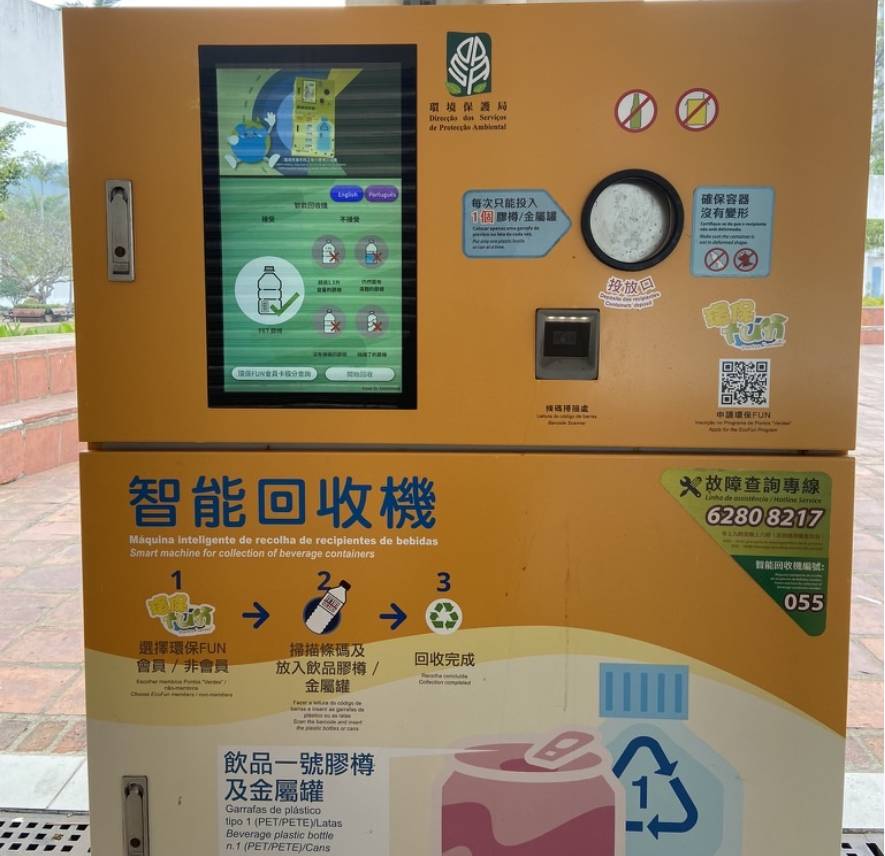
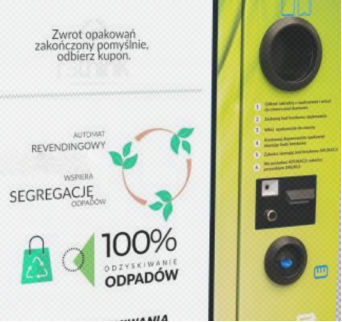
Reverse Vending Machines (RVM) are a special type of vending machine designed to accept, recycle, and process discarded items, typically plastic beverage containers such as plastic bottles, glass bottles, or aluminum cans. RVMs, such as automated recycling machines, automated return machines, envirobank recycling and redeem machines, allow users to deposit used or empty glass bottles, plastic bottles, or aluminum cans in exchange for rewards. The deposited recyclables are compressed, sorted, and analyzed based on the barcode on the bottles or cans, determining their weight, material, and brand. RVMs play a crucial role in promoting a circular economy system, environmental protection, energy conservation, and raise public awareness of environmental issues. These machines are usually placed in supermarkets, malls, or community areas for public convenience.In the context of countries implementing Producer Responsibility Schemes, the emergence of Reverse Vending Machine (RVM) type of equipments is a natural response.
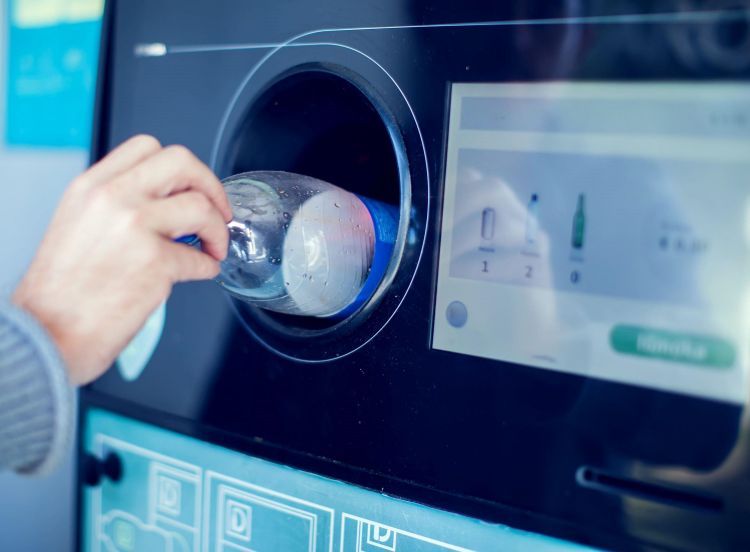
The operational process of an RVM typically involves the following steps:
1. Item Deposit:Users place empty beverage containers into the machine.
2. Recognition and Classification:RVMs use sensors and identification technologies to recognize the type and material of the containers. This can include barcode scanning, visual recognition, and other technologies.
3. Value Assessment:The machine may assess the value of the container based on its type and material, usually in the form of a deposit or reward (instant rebate).
4. Storage or Processing:After receiving the container, the machine may store it in internal containers or process it into a more transportable form using built-in compressors or processing units.
5. Reward or Refund:Users can choose to receive corresponding rewards (such as discount coupons or points) or opt for a refund of the deposited item's deposit.
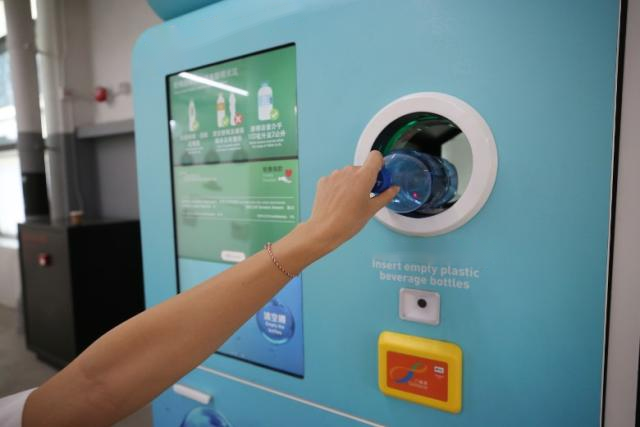
Why Does an RVM Machine Need a Barcode Scanner?
A Barcode scanner is crucial in an IoT connected RVM for the following reasons:
1. Item Identification:The barcode scanner identifies the barcode on the container. By scanning the barcode, the machine can accurately and quickly confirm the type and relevant information of the container.
2. Classification of Recyclables:The scanner helps the machine classify recyclables. It can recognize different types and materials of containers, such as plastic bottles, glass bottles, or aluminum cans.
3.Automation of Processing:By coordinating with the barcode scanner, the RVM machine can automate the processing of recyclables. The data feedback from the scanner triggers the machine's internal automated processing system, storing or compressing recyclables.
4. Value Assessment:Information embedded in the barcode, such as manufacturer and material, can be used by the RVM to assess the value of recyclables, determining the appropriate reward or deposit refund for users.
5. Tracking Recycling Data:The barcode scanner aids in tracking recycling data. The machine can record the type and quantity of each recycled item, providing administrators with data for monitoring and analysis of recycling effectiveness.
In summary, a Barcode scanner in an RVM provides the following benefits:
- Enhances the efficiency and accuracy of recycling, avoiding manual errors and delays.
- Reduces the cost and resource consumption of recycling by minimizing the need for labor and equipment.
- Strengthens the traceability and reliability of recycling, recording and analyzing data and statistics.
- Optimizes recycling services and experiences by offering various rewards and incentives.
How to Choose the Right Barcode Scanner for an RVM Machine:
Selecting a suitable Barcode scanner for an RVM involves considering various factors to ensure performance and reliability. Here are some recommendations:
1. Scanner Type:Depending on the installation location, space, and usage of the RVM, choose different scanner types, such as engine-only without a shell, a module with a shell, or a barcode scanner whole machine with IP67 protection level for waterproof and dustproof.
2. Compatibility:Based on the RVM's interface, protocol, and software, select a scanner with compatibility in terms of connection, communication method, drivers, encoding format, and data output.
3. Scanner Performance:Choose a scanner that meets the RVM's recycling speed, capacity, and accuracy requirements. Consider parameters such as scanning speed, scanning distance, scanning angle, scanning resolution, scanning depth, and scanning width. Generally, the scanning process takes place inside the RVM, so focus on the scanner's scanning angle, speed, and depth.
4. Durability:Considering the RVM's usage environment, frequency, and conditions, opt for a scanner with durability features such as waterproofing, dust resistance, shock resistance, and resistance to static electricity, working temperature, and working humidity.
5. Reading Different Types of Barcodes:Ensure the scanner can read common linear barcodes and 2D codes. Some applications may require special scanning capabilities, such as micro barcodes.
6. Ease of Maintenance:Choose a scanner that is easy to maintain and replace to ensure stable operation over an extended period.
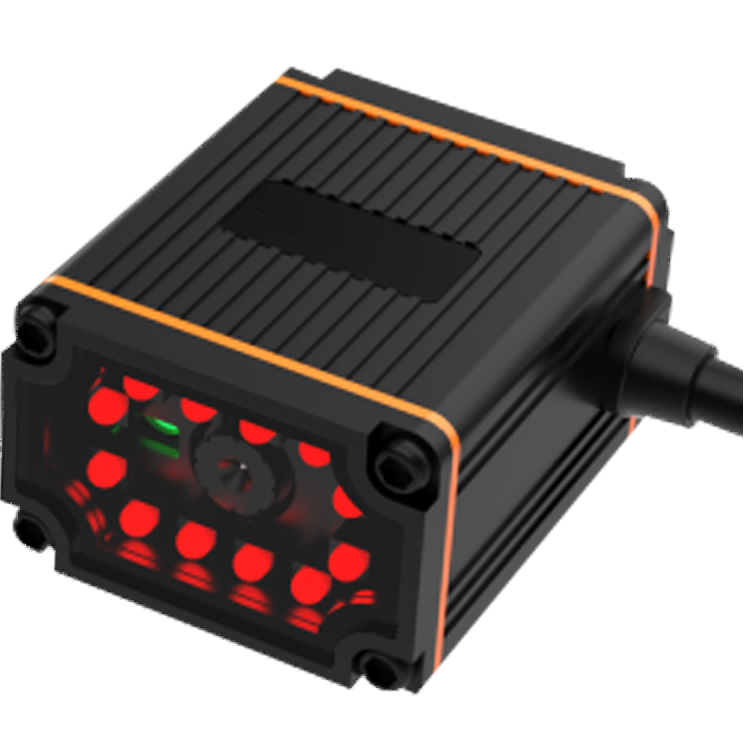
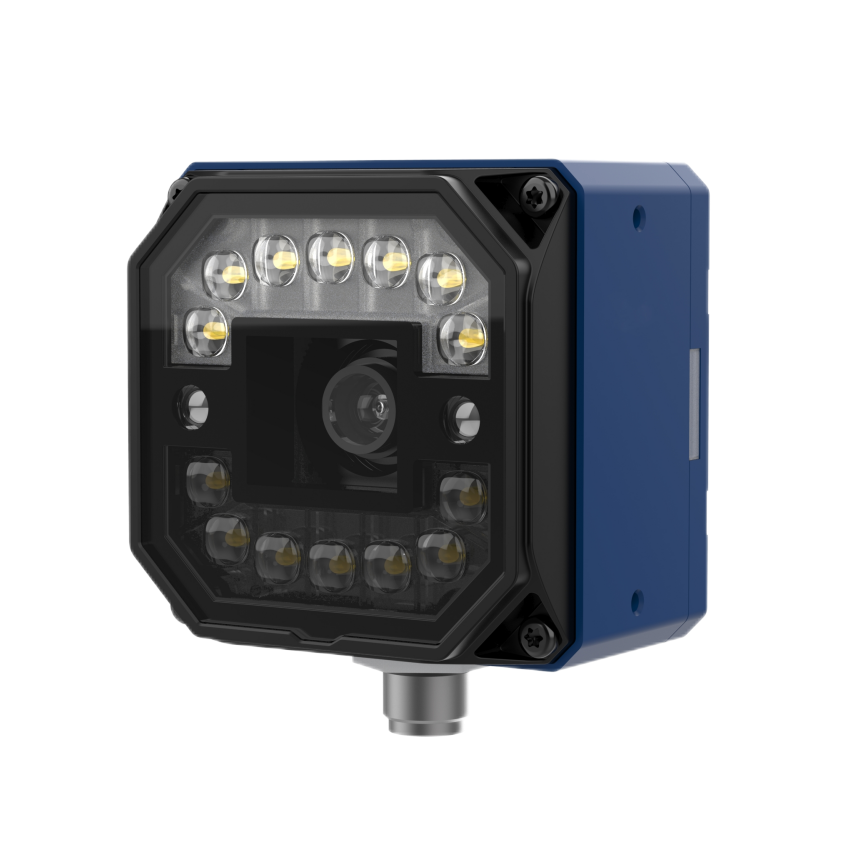
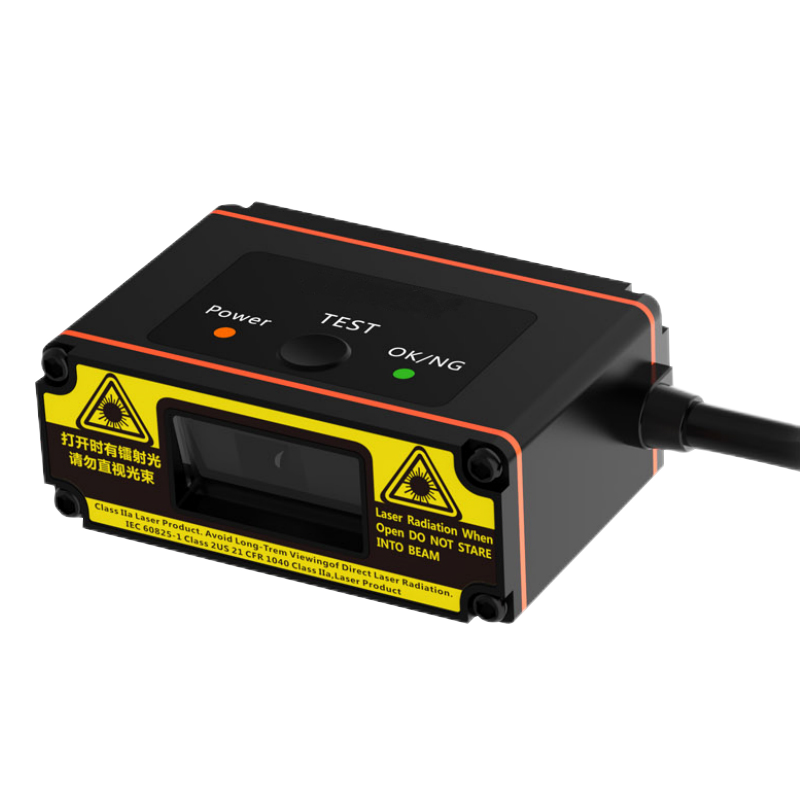
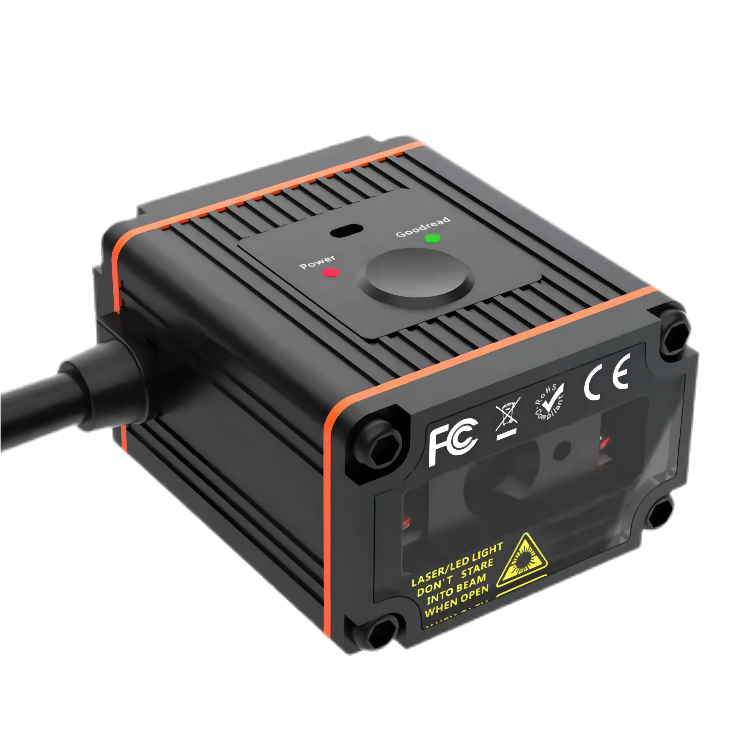
What Barcode Scanners do we have for RVM?
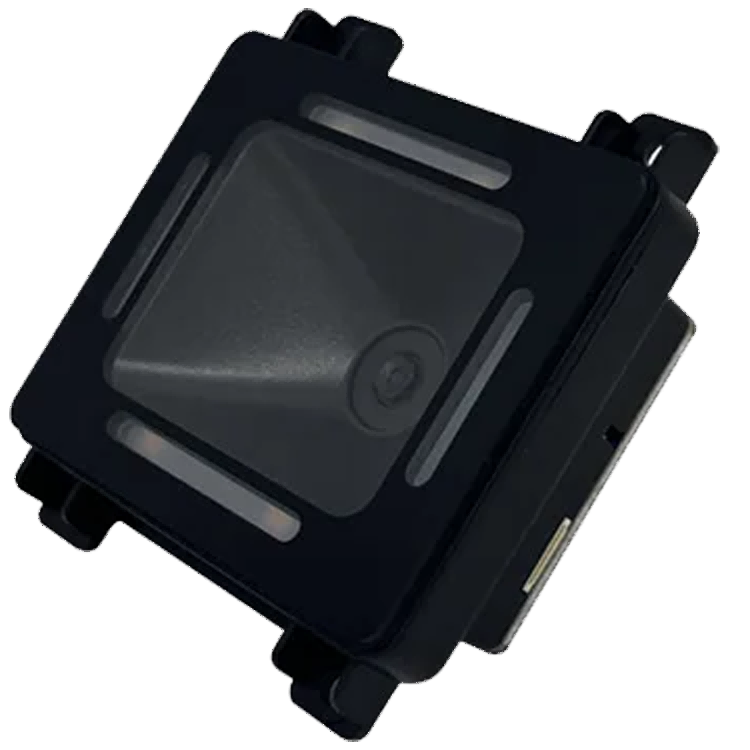
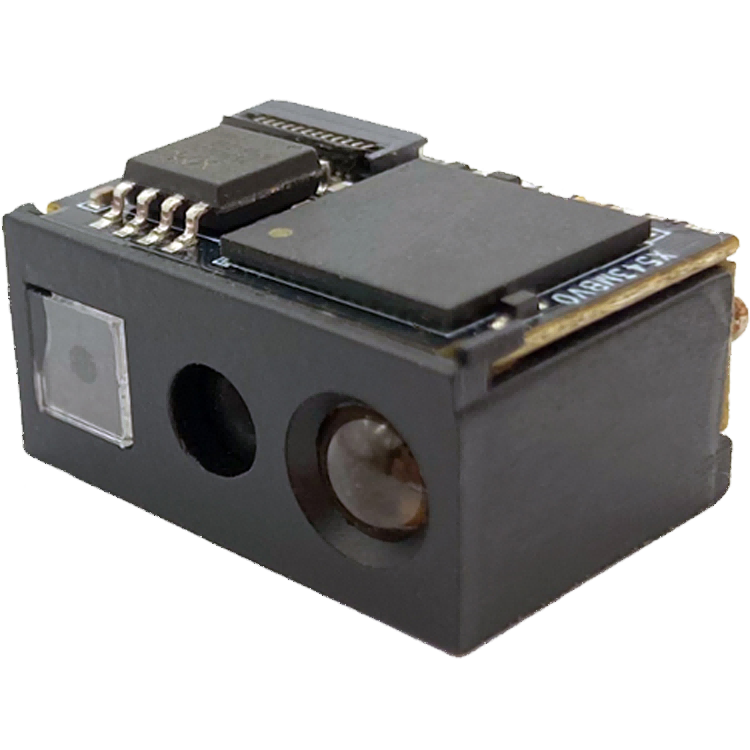
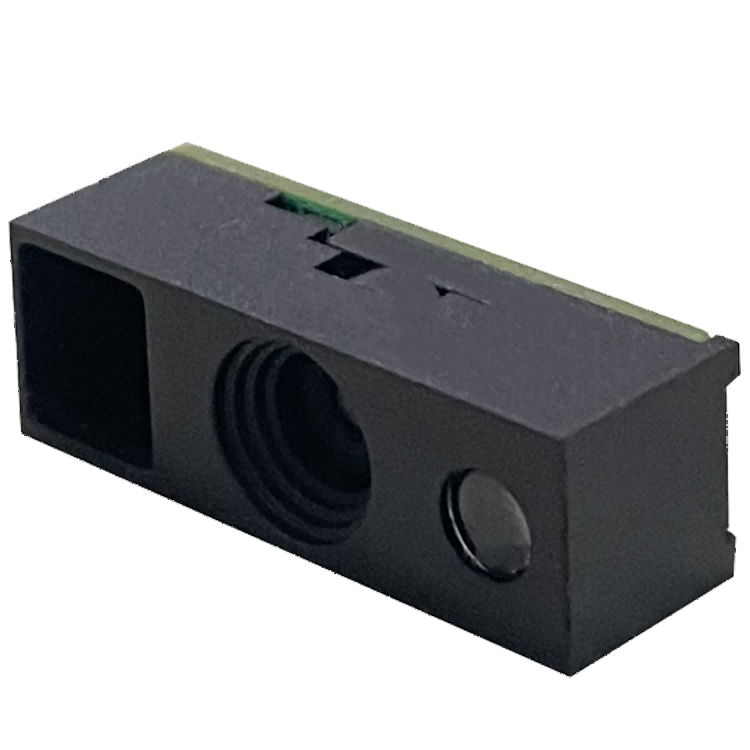
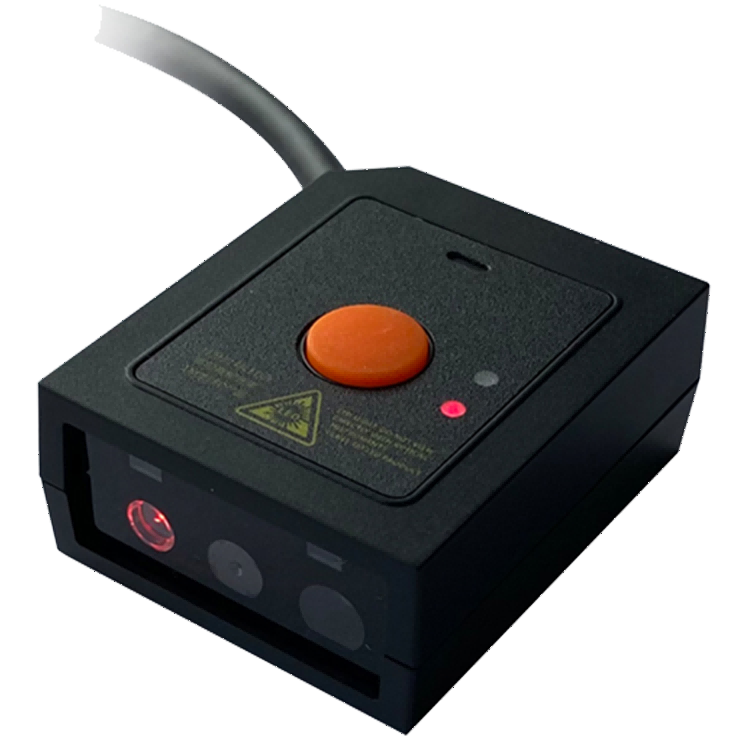
1.Compact scanning engine
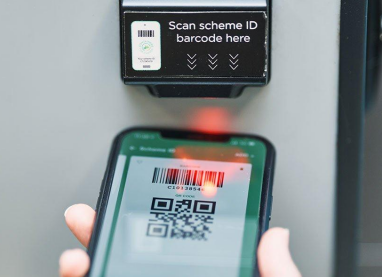
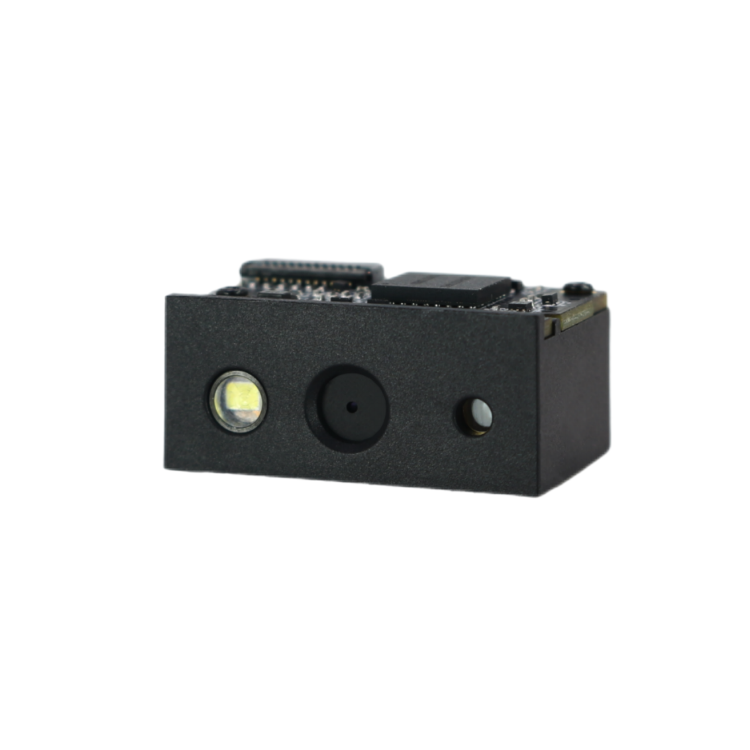
Application scenario: Embedded design, generally does not read bottle barcodes, mainly scans mobile phone screens and paper barcodes, used to bind user accounts.
The compact engine has a small shape, simple wiring, and easy installation. There are two common engine scanning designs for users: forward and downward scanning.
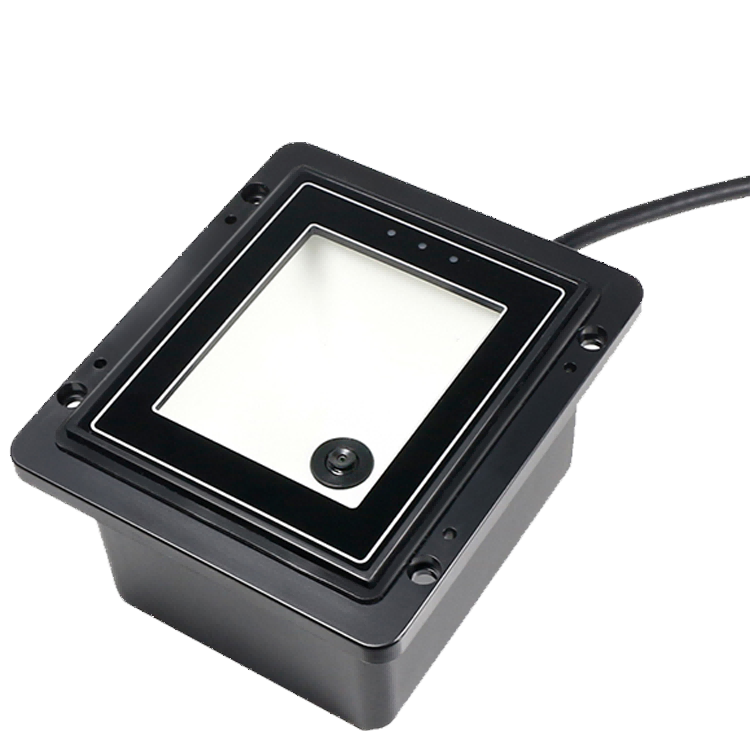
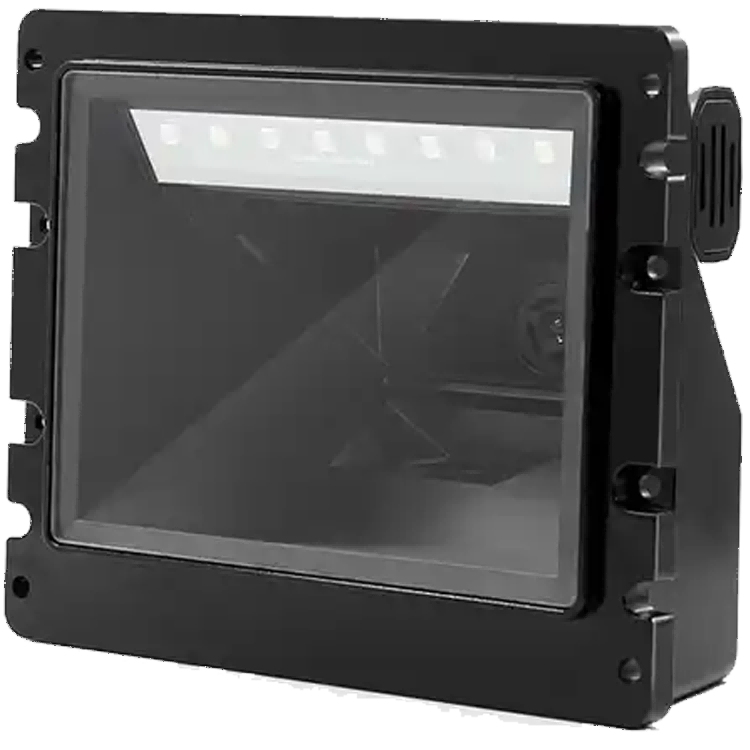
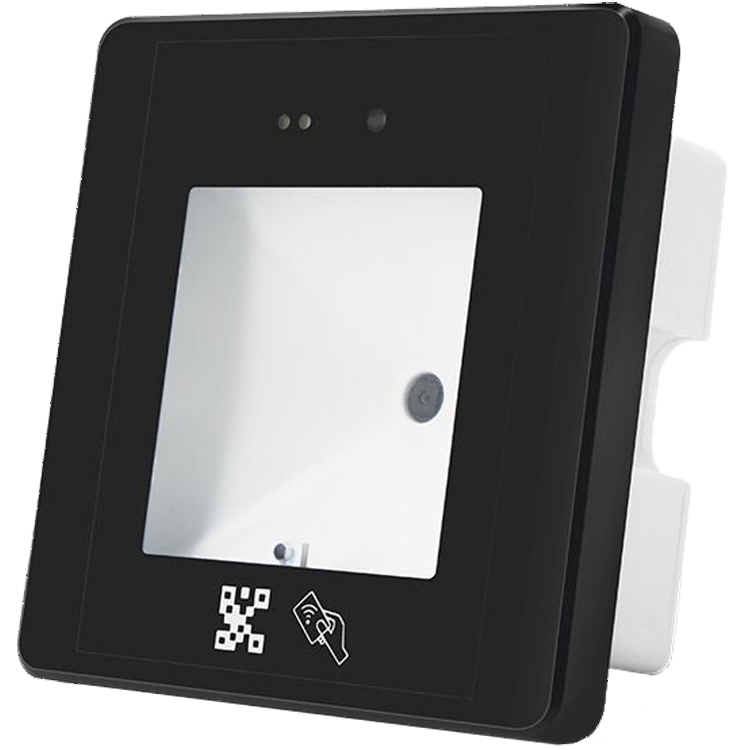
2.Small&Large Window Scanners
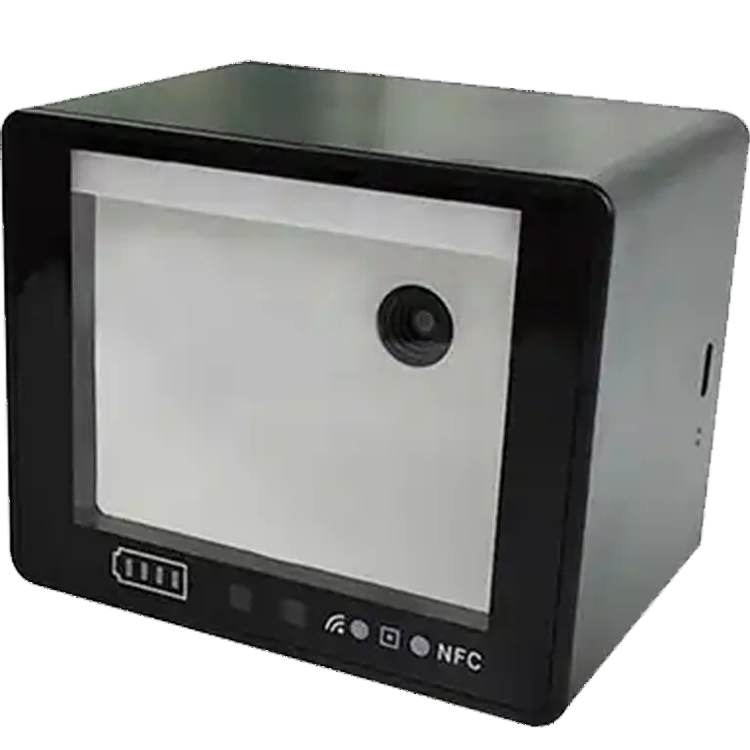
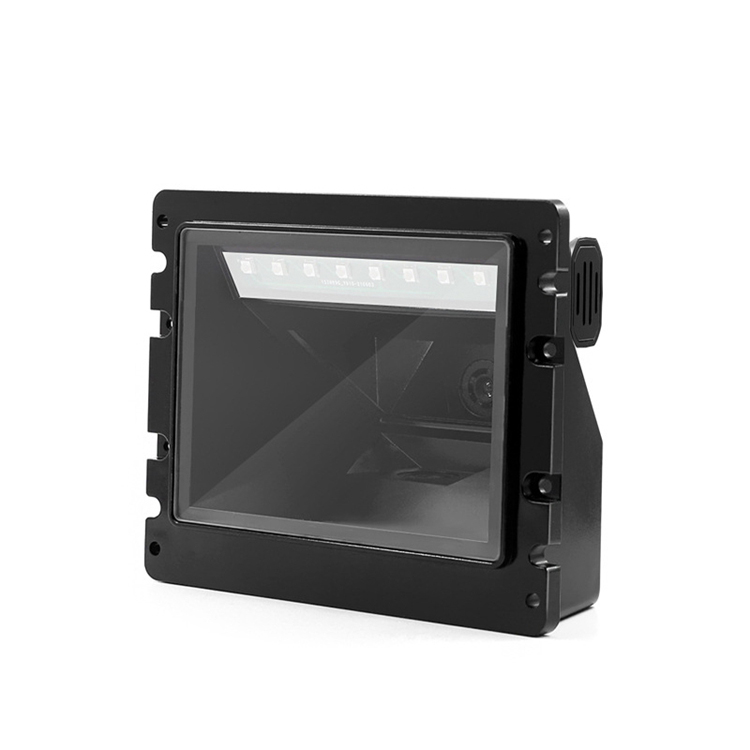
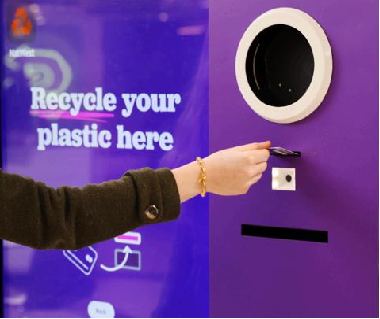 We can provide small and large window scanning modules to accurately match customers' different industrial designs.
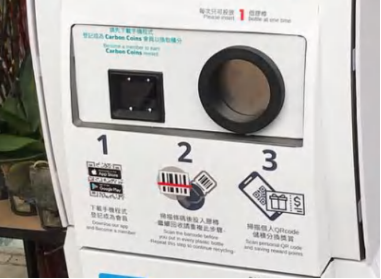 The large window module has a larger field of view and deeper depth of field, and can be designed on the body to scan the barcode of the bottle and place it at the recycling entrance. Compared to small window modules, the scanning speed is faster. However, compared to the 360 ° circular RVM system design, the speed is still much slower and cannot be directly placed at the recycling inlet. It requires two steps of operation: first, scan the bottle barcode, and then place it at the recycling inlet.
If you want to greatly improve throughput efficiency, you still need to use a 360 ° ring RVM system design to achieve "put and scan". Below, I will introduce the 360 ° ring scanner to you.
3.Customizable 360-degree scanner
A typical 360 ring RVM system design places 2-3 large window modules and uses the conveyor belt inside the RVM system to transport or roll the bottle body for scanning. It integrates visual cameras and light strips to achieve rapid RVM scanning. The configuration is relatively complicated, and if any part of the problem needs to be identified one by one before repair, the repair time cost is high.
 1. Large perspective: A 360 degree omnidirectional reading area has been created, allowing users to place and scan a bottle without adjusting the bottle body, and to continue placing another bottle without waiting, saving users the time they need to wait for scanning. If it is a regular 360 barcode scanner, the bottle still needs to wait for the conveyor belt to transport and roll the bottle for scanning.
4. The maintenance cost is more cost-effective: the gear shaped circular barcode scanner can directly place light beads on the body. Generally, the scanner also needs to be equipped with additional lights in the RVM to enhance nighttime scanning function. The wiring is relatively complicated, so our gear shaped circular barcode scanner does not need to add extra conveyor belts and visual cameras.
#360RVM #BottleReturn #BottleRecycling #ReverseVendingSolution #DepositReturnSchemeKiosk#DRS
CONTACT US
CONTACT US
CONTACT US

are completed before submitting your inquiry.

We will respond within 24 hours.